July 22, 2026Supremax Healthcare & Logistics Team
Share
Temperature Sensitivity and Risks in the Healthcare Sector
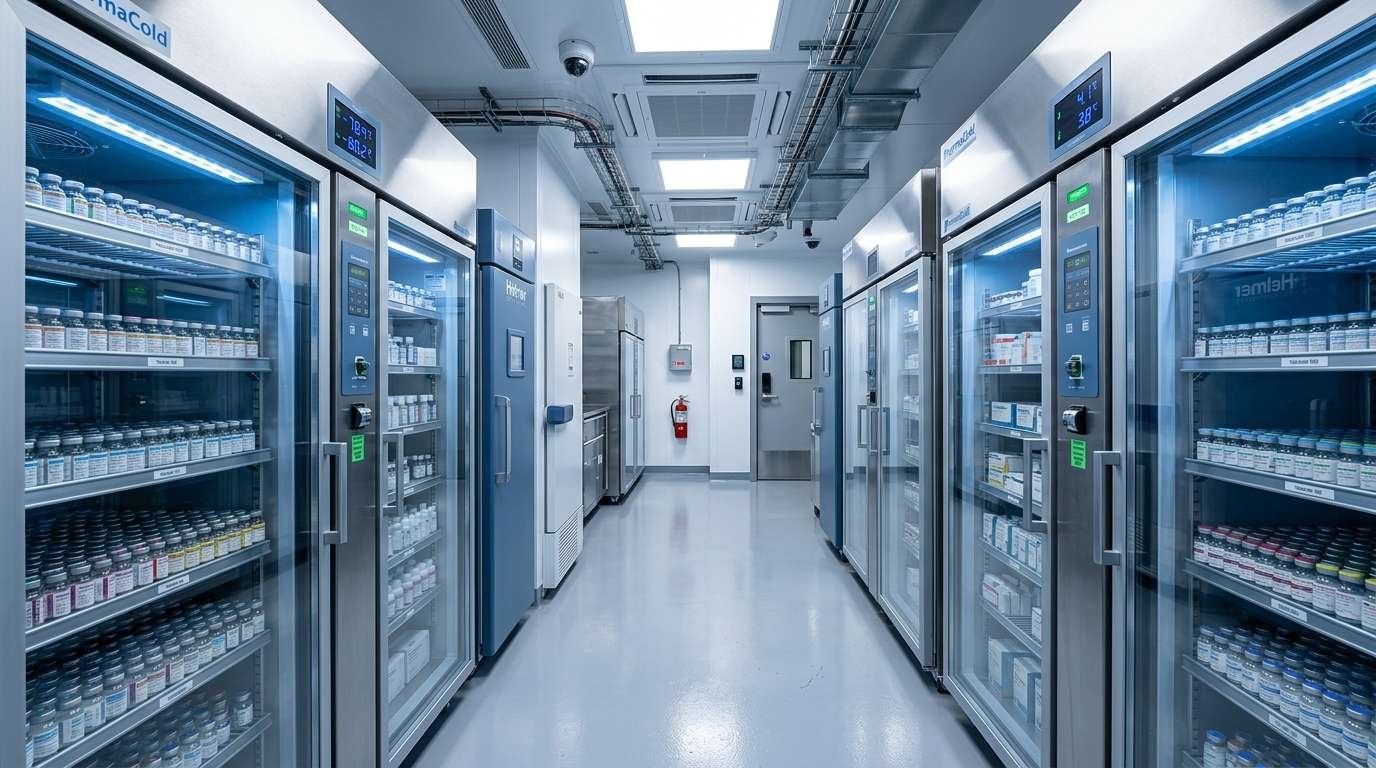
Vaccines, blood bags, biological samples, and medicines stored in hospitals, laboratories, pharmacies, and cold chain logistics warehouses are highly temperature-sensitive. Exceeding designated temperature ranges (such as +2°C to +8°C for vaccine storage) can alter the chemical structure of medical products, rendering them ineffective or hazardous. Consequently, real-time and continuous environmental monitoring systems are a legal requirement in healthcare facilities.
1. 24/7 Continuous Tracking and Calibrated Sensors
Health regulations and international standards (like ISO 15189) require temperature and humidity monitoring to be conducted using sensors calibrated by accredited institutions. Supremax healthcare monitoring hardware, featuring high-precision medical-grade sensors and uninterruptible battery backup, continues to log data even during power outages.
2. Autonomous Alarms and Flexible Alert Mechanisms
Every second counts when a critical vaccine fridge door is left open or a cooling unit fails. The Supremax environmental monitoring cloud infrastructure delivers alerts to on-duty personnel via SMS, automated voice calls, and emails immediately when temperature thresholds are exceeded, allowing quick intervention before the cold chain is broken.
Conclusion
Protecting medical products is directly linked to human health. With retrospective PDF/Excel reporting capabilities and autonomous alerts, Supremax environmental monitoring technologies offer a zero-risk auditing infrastructure in healthcare facilities.